
Plants vs. Zombies: An Essay On Optimization
This past weekend I started playing Plants Vs. Zombies for the first time in several years. It was a little easier than I remembered but it still had the same joy it had when I was a kid. I love the peashooter and I love squashing those brain-obsessed zombies. The bucket zombie was as annoying as I remember, but I digress. Eventually, I decided to give myself a “challenge” and played a level with just threepeaters, sunflowers, and squash. This sucked. I quickly realized that by adding as many sunflowers to the board as possible, my chance of failure became zero. I wasn't smart enough to come up with this as a kid– I don't think I would've wanted to– but the adult version of my brain perfectly optimized my game of Plants Vs. Zombies. That's really sad. Three days later, I have yet to finish the game. As long as I use my exact strategy, I cannot lose, and I do not care enough to keep winning. By optimizing the game, I lost the underlying emotion that made that experience enjoyable.
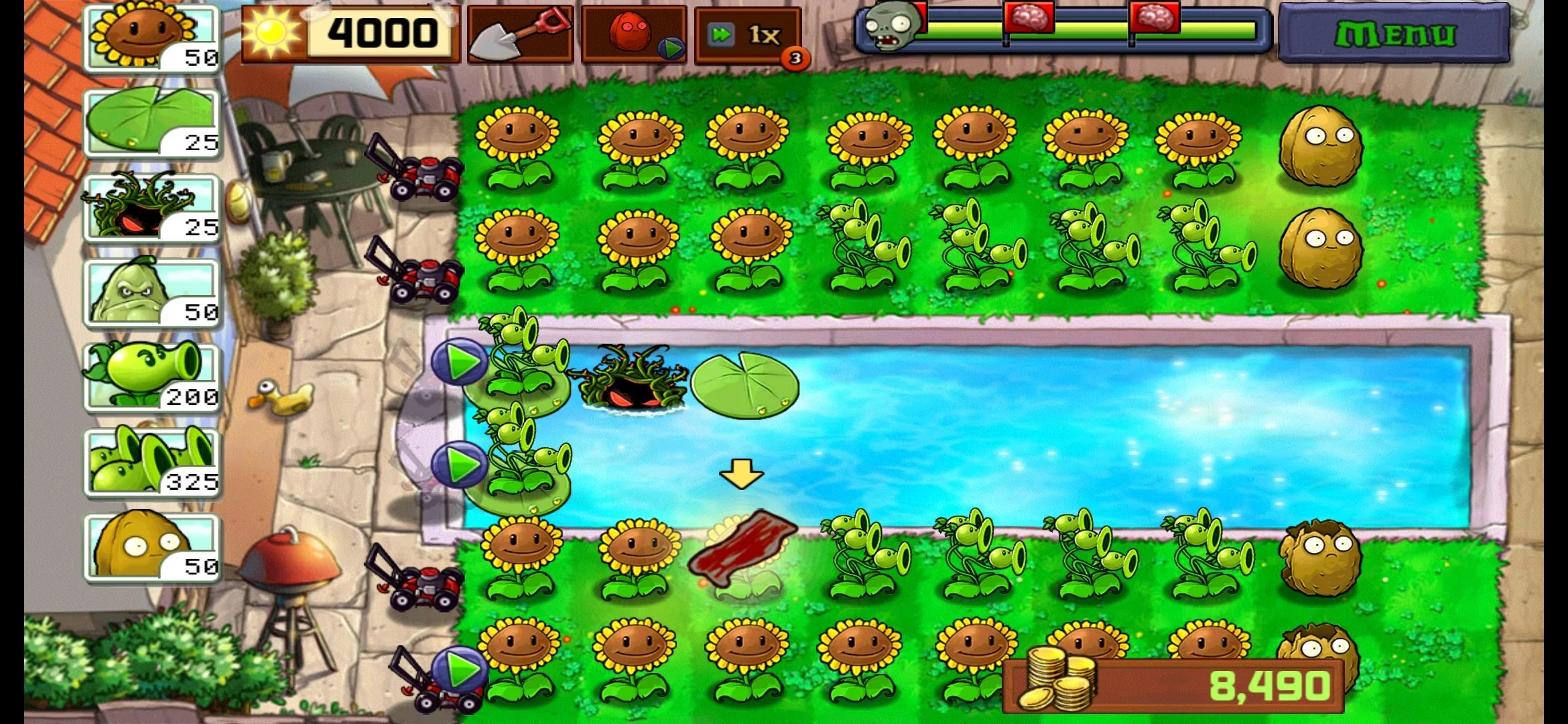
Even if I hadn’t optimized, was failure likely? Probably not, but it was possible. I also lost the joy of creating a perfectly symmetrical, aesthetically pleasing board. But, my brain did what it was hardwired to do: perfectly optimize each and every task, experience, and facet of my life. I think that’s for the worst. The value of feeling things while we complete tasks cannot be quantified, and therefore, it likely does not exist in the “optimal version” of the task.
For the purposes of this essay, I feel it’s important to define the central theme: optimization. Merriam Webster defines optimization as an act, process, or methodology of making something (such as a design, system, or decision) as fully perfect, functional, or effective as possible. I am going to add one clarifying addendum to this definition. No one’s emotions are allowed to be considered. When we say optimization, we are speaking strictly in numeric terms. That’s the trend that I am addressing, and it’s a trend that keeps appearing in my life.
While I optimized success in PVZ, I lost the human emotions that made the game fun. For me, this was a fear of failure and an almost artistic desire to make pretty boards. I replaced those emotions with a mathematically perfect strategy that lacked the emotions that made the game fun in the first place.
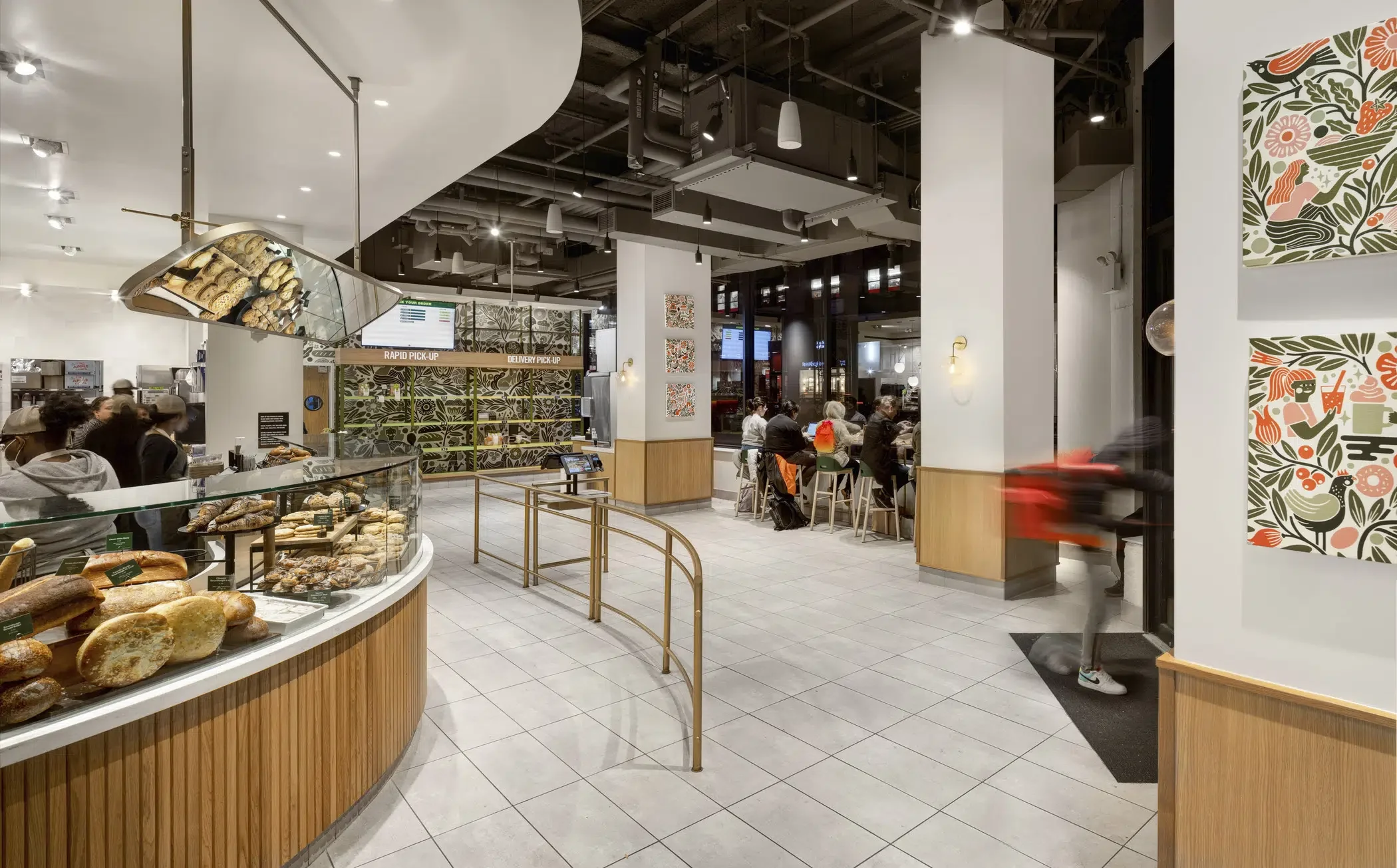
In another post of mine, I explain how a similar situation is slowly ruining Panera Bread. What started as a small bread company in St. Louis became a national brand known for its premium ingredients and cozy cafes. Then, it streamlined, closing its dough-making facilities, shrinking its portions, and making soulless redecorations to some of its cafes. Now, Panera sucks. People will still go there, but their sales are down, and, anecdotally, the vibes are horrendous. Panera took an unquantifiable expense– their ingredients and cafe quality– and slashed them in a move that on paper should’ve netted a profit. It didn’t.
When we live life off spreadsheets, we make decisions that don’t align with our material realities. This is especially true in my favorite professional game, basketball. Recently, Bobby Marks claimed that an analytics guy told him that “we view Jaylen Brown as the seventh-best player on a team,” amid controversies around JB’s trade value. For reference, if we assume the NBA’s talent is evenly distributed, the 7th best guys on respective teams would be in the 180-210 range. Meanwhile, Brown just made the All-NBA second team, which puts him in the top 6-10 range. So why are these the analytics that teams are trusting to make decisions? At a certain point, you have to watch the games, and see that Jalyen Brown is at worst the second best player on the Celtics. Teams would be betraying themselves if they didn’t make offers for him because of whatever advanced stat Marks’ guy was using to make his analysis, regardless of how “optimal” they are. Brown scores points and is a great guy to have in a locker room. What more could you ask for?
While the stakes for these are millions of dollars more than what you and I do, our lives constantly berates us with subtle demands for optimization. In the health and wellness industry, there are apps that let you track your meals to the gram, and can even suggest ways to cut things out of your diet to achieve certain physique goals. These apps do work, and there are definitely people who can handle that level of tracking. However, tracking each macro to the gram is more likely to make you insane than shredded. The National Alliance for Eating Disorders noted that “fitness trackers provide a sense of control over one’s body, which can be both comforting and dangerous. They can also trigger the need for perfectionism, where the person feels they must constantly meet certain targets, creating a cycle of self-criticism and frustration when they fall short. Additionally, the emphasis on numbers can overshadow the focus on overall well-being, health, and self-compassion, making it harder for individuals to engage in recovery and establish a balanced relationship with their body.” That’s not fitness, that’s an eating disorder branded as beauty.
This is even happening on a micro-scale in corporate. McDonalds has great advertising when they want to, but this world cup ad is egregious. I don’t know if this was an attempt to duck some European regulation, but I know that as an ad man, I hate it with all my heart. It wouldn’t have been that hard to use one of their writers to craft a headline, or even have ChatGPT generate something. This is a new low. This is the point where optimization has gone too far in exchange for winning at a game with made up rules.
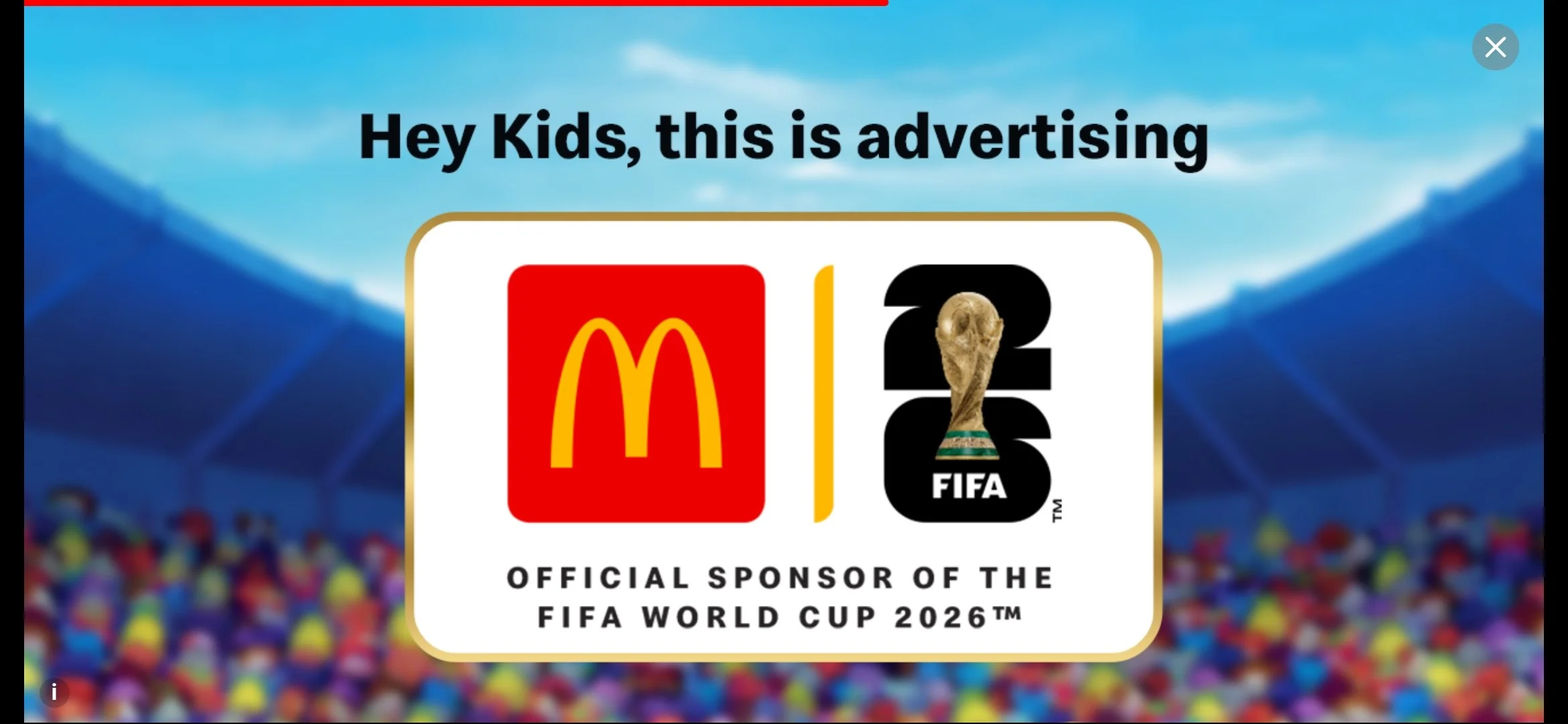
When we’re graded on a purely capitalistic, purely monetary scale, the decisions of the Paneras and McDonalds of the world appear rational. In theory, budget cuts on humanity shouldn’t affect the bottom line. In reality, that expensive human touch, though inherently flawed, was exactly what made those brands stand out. When Panera wasn't perfectly optimized, it was much less boring. It had a soul and a distinct personality. The same can be said for McDonald’s advertising. I took a few copywriting classes in college, and my peers wrote headlines that were a million times better than a ChatGPT headline. That ChatGPT headline is a million times better than that pathetic excuse for an advert. Right now, I'm sure that isn't killing their ROI. But eventually, at least I hope, our generation will wake up to the fact that this sucks, and we may even demand better.
One form of optimization that I find particularly frustrating is a desire to appeal to the average individual. This is when brands, politicians, or other groups go out of their way to appeal to a hypothetical median person who has statistically average beliefs. In the political realm, the median voter is often perceived as a moderate, Liz Cheney/Joe Manchin type figure. In my personal opinion, these people do not exist. The average person statistically moderates on everything, that's how averages work. But people don’t find identity on spreadsheets. They find it through life experiences unique to them, and those often occur without rhyme or reason. You can't put people into boxes, you need to actually analyze what makes people human. Appeals to the middle just don't work, and ultimately wind up leaving you with no base at all.
If you want to see proof, look no further than the New York City political scene. In 2025, the Democratic Party elites chose to back Andrew Cuomo, a man who, on paper, checked all the boxes for mayor. He’s a moderate, former New York State governor who has incredibly high name ID. He should've had no issues beating no-name politician Zohran Mamdani, yet, he lost. In fact, he lost twice, both in humiliating fashion.
Conventional wisdom would tell you that Mamdani’s campaign should not have worked. He was outwardly a Democratic Socialist, and socialist is a label the Democratic Party tells candidates to fear. Yet, the ever-charismatic Mamdani won, and DSA-backed candidates have since won multiple races in New York with less talented politicians. They ran on issues they believed in, whether they tested highly or not, because they truthfully believed those things. In contrast, other Democrats build their campaigns based on consultant polls. Kamala Harris lost the presidential race for a number of reasons. One of them is her compromising on her beliefs, going from one of the furthest-left Senators to someone who offered no differences from Joe Biden. That wasn’t her, that was a focus group making decisions for her. In New York, humanity showed through, and helped Mamdani, Brad Lander, and other candidates win races on things they actually believed.
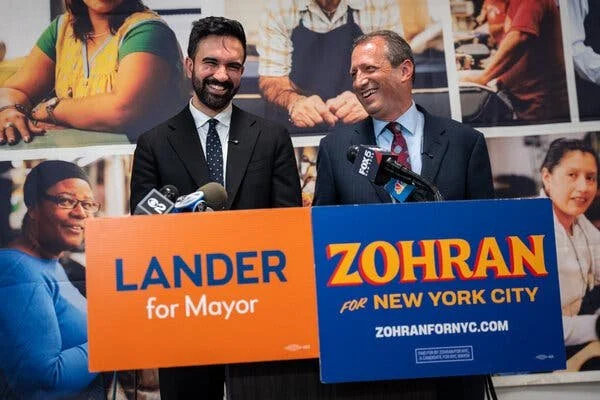
When people voted for Democratic Socialists in New York, they were voting for people. They may not have agreed with those people on everything, but they believed that those people had their best interest in heart. Harris, meanwhile, treated people like points on a spreadsheet. When that backfired, the spreadsheets could not explain why. The spreadsheets could not account for being a real person with real, distinct beliefs from real, distinct life experiences, regardless of how politically inconvenient those beliefs appeared to be.
I want to believe that New York will start a trend. I want to believe that the world will go back to leading with humanity, even when it sacrifices perfection, because I believe the world was better when it ran like that. I don’t think it will. I’m writing this essay, and I can’t be bothered to shop at local stores for new furniture when I know Amazon can do the job for cheaper. I never take the scenic route when I drive, and I structure my days around maximizing my caffeine intake. 7 Brew, a brand I admittedly like, optimized the coffee ordering process. Now, I don’t even get out of the car to get my cold brew. I don’t interact with people in a real way. I just keep my music playing, order, and move beyond the situation. This isn’t as human as parking my car, walking into a better coffee shop, and having to wait next to another real person.
To avoid being perceived as just a guy who whines on the internet, I am going to write a few things that I will be doing to de-optimize my life. I believe that these things will reinvigorate me, and will make me a more human human.
1. I will never use AI to write an email.
This seems basic, but it’s important. Emails are often lumped in with menial tasks that are best offloaded to AI, but I disagree. Emails are still communication, and I want to own my communication.
2. I will walk, whenever possible.
Especially as someone who’s moving to a new city, I want to walk wherever possible. I want to experience the outdoors and really learn about my neighborhood. While I’m at it, I’ll smile and wave at my neighbors.
3. I will avoid kiosks wherever possible.
This may seem silly, but I don’t want fast food places to think I’m okay with them laying off workers for kiosks. I’m not. I am going to order my burrito with a real person.
And, I will never over-optimize mobile games to the point of where they become unfun.
